Clergy Join ‘Queens Power’ Group to Fight for Affordable Housing

The Tablet • June 22, 2023
Clergy Join ‘Queens Power’ Group to Fight for Affordable Housing

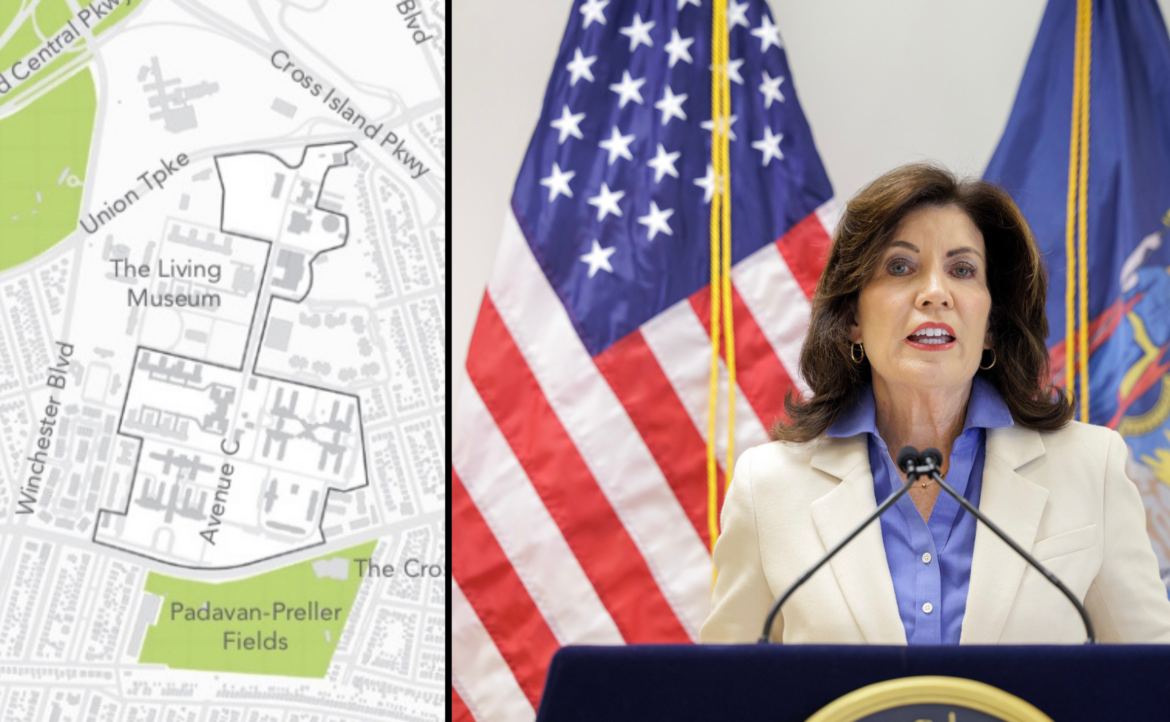
QUEENS VILLAGE — The fight for affordable housing at a Queens Village site slated for major redevelopment by New York state has the support of local Catholic priests who are working with a nonprofit organization seeking to get 3,000 apartments built there. 


Father Patrick Longalong, pastor of Our Lady of Lourdes Church in Queens Village; Father Daniel Kingsley, pastor of St. Clare Church in Rosedale; and Father Hugh Burns, OP, administrator of St. Teresa of Avila-St. Anthony of Padua Parish in Ozone Park, are all working with Queens Power, the organization leading the drive for affordable housing at the state-owned Creedmoor Psychiatric Center campus in Queens Village. 


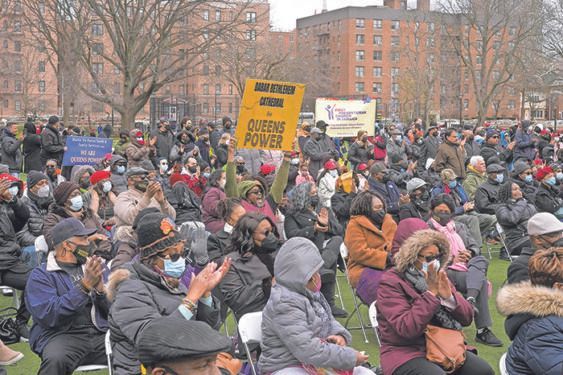
On Sunday, June 11, Queens Power held a rally in a park across from the Creedmoor campus attended by hundreds of people from across the borough to call on the state to ensure that any plan to redevelop the site includes affordable housing. 


Queens Power’s goal is to get 3,000 housing units erected at Creedmoor — a combination of small private homes and apartment buildings, said Robert English, the organization’s lead organizer. “We would like to see something similar to what you see in the Gateway Mall at Spring Creek,” he said, referring to the Spring Creek Towers (also known as Starrett City), a housing development in East New York. 

The New York State Empire Development Corporation (EDC) is the lead agency in planning to redevelop a 55-acre section of the sprawling campus, and as a first step is seeking community input. In February, EDC began hosting in-person and virtual workshops to gather input. 

The next step in the process will be the creation of the Creedmoor Community Master Plan, the document that EDC will use as a framework for the redevelopment. 


Creedmoor began housing mentally ill patients in 1912 and at its height in the 1950s housed 7,000 people. Starting in the 1960s, the state de-institutionalized people with mental health challenges and Creedmoor began to empty out. Currently, it houses only small inpatient and outpatient treatment centers. 


“We want to make sure that whatever is done there includes housing. It’s badly needed,” said Father Longalong, a member of Queens Power’s executive team. 


Father Burns, who called housing “the number one issue” facing New York City, said residents are finding it increasingly difficult to afford to live here. “Are we going to be a place only for billionaires to build luxury condos or are we going to build housing that people can afford?” he asked. 


“What we are hoping to do is to hold Governor [Kathy] Hochul’s feet to the fire,” Father Kingsley said. “We’ve seen many politicians who have spoken about the need for government to be responsive to the concerns of the working poor. And what better way to do it?” 

Father Kingsley recalled a recent encounter with a St. Clare’s parishioner who approached him after Mass and asked him for help finding an apartment. 


According to the website RentCafe, the average apartment size in Queens is 710 square feet. The monthly rent depends on the neighborhood. In Hunter’s Point the average is $3,855. Long Island City residents pay an average of $3,788. Renters pay an average of $2,066 in Downtown Flushing, while people living in Jamaica pay an average of $2,041. 

For people looking to buy a home in Ozone Park, the price tag is upwards of $700,000, Father Burns said. “That’s out of reach for a lot of people,” he added. 


The Creedmoor redevelopment provides a golden opportunity to address the housing crisis, Father Longalong said. “We need affordable housing wherever we can build it. This is a big piece of land, so that presents us with a chance,” he explained. 


The involvement of the clergy in Queens Power is significant, English said. “The Diocese of Brooklyn has always been very supportive of our efforts to get affordable housing in the form of home ownership built. Their voice is important,” he added. Rosemary Lopez, executive director of AIDS Center of Queens County and a member of Queens Power’s executive team, said the June 11 rally was a success because it helped the organization get its point across. 


Lopez added that while new housing is being built in some neighborhoods, much of it is being constructed by private developers and is unaffordable. “It is driving people out of the borough,” she said. 


AIDS Center of Queens County, which serves 10,000 clients at five sites, joined Queens Power precisely because of the housing issue, Lopez explained. Queens Power, which was formed in 2019, is composed of 48 groups including churches, nonprofits, and unions. 

“We’ve been advocating on this issue for years. It’s good to put ourselves together with other groups so that we could all work together,” Lopez said. 


Queens Power’s portfolio covers the gamut from the push for affordable housing to the effort to get the city to install traffic lights at dangerous intersections.“No issue is too big for us, or too small,” Father Longalong said. 


For example, Queens Power organized a walking tour of Ozone Park for city Transportation Commissioner Ydanis Rodriguez last year so he could see traffic safety concerns up close. “The next day, the city was putting up stop signs,” Father Burns recalled. 


Queens Power works on building relationships with city officials so they then can request action, the official can put a face together with a name, Father Longalong said.
By BK Reader • September 23, 2026
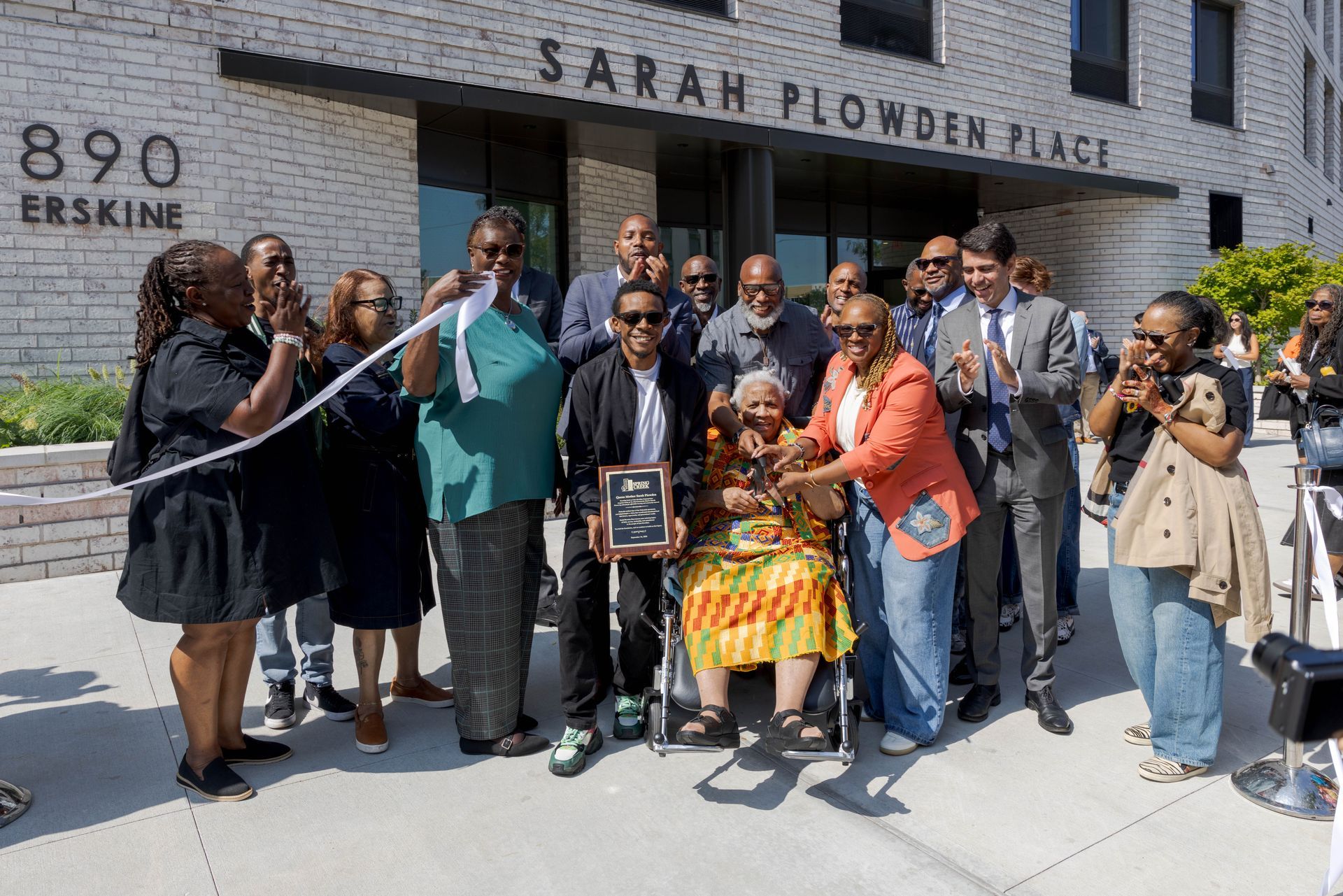
Sarah Plowden Place has opened in East New York with 183 fully affordable homes for seniors, marking another milestone in the development of Nehemiah Spring Creek. Monadnock Development, East Brooklyn Congregations and Nehemiah HDFC celebrated the opening Sept. 16 with a ribbon-cutting ceremony at 890 Erskine St. The $135.9 million development provides homes for extremely low-income seniors and is intended to expand access to affordable housing in East New York. City Council Deputy Leader Chris Banks, state Sen. Roxanne J. Persaud, Assemblymember Nikki Lucas, representatives from the New York City Department of Housing Preservation and Development and Housing Development Corporation, residents and community leaders attended the event. “Sarah Plowden Place represents what it means to honor the people who built this community while making sure they can continue to call it home,” said City Council Deputy Leader Chris Banks, who represents the 42nd Council District. “Our seniors have spent decades raising families, supporting their neighbors, strengthening our churches and helping shape East Brooklyn into the community we know today. They deserve the opportunity to remain here, surrounded by the people and places that mean so much to them.” The building is named for Queen Mother Sarah Plowden, a faith leader at St. Paul Community Baptist Church, community organizer and affordable housing advocate whose work has helped shape East Brooklyn for more than four decades. Designed by Bernheimer Architecture PLLC, Sarah Plowden Place includes an outdoor recreation area, gym, library, community room, elevator and card-operated laundry room. Apartments feature quartz countertops and stainless-steel appliances. The project was financed through HPD’s Senior Affordable Rental Apartment program and Housing Infrastructure Fund, tax-exempt bonds issued by HDC and Low-Income Housing Tax Credits syndicated by National Equity Fund. TD Bank provided construction financing and invested in the tax credit equity, with additional support from Santander and Chase. Sarah Plowden Place is part of the 45-acre Nehemiah Spring Creek transformation, which began with a 2006 groundbreaking. The first phase, completed in 2010, included 368 single-, two- and three-family homes. Monadnock Development and Nehemiah HDFC plan to continue their partnership on 1,380 additional affordable rental units. When completed, Nehemiah Spring Creek is expected to bring more than 2,000 housing units to East New York, along with retail and townhouse homeownership opportunities.
By The City Reporter • June 30, 2026
A NYCHA paperwork backlog wrongly ended Section 8 subsidies, leaving hundreds of PACT residents facing eviction despite complying with program requirements.
By New York Daily News Editorial Board • June 28, 2026
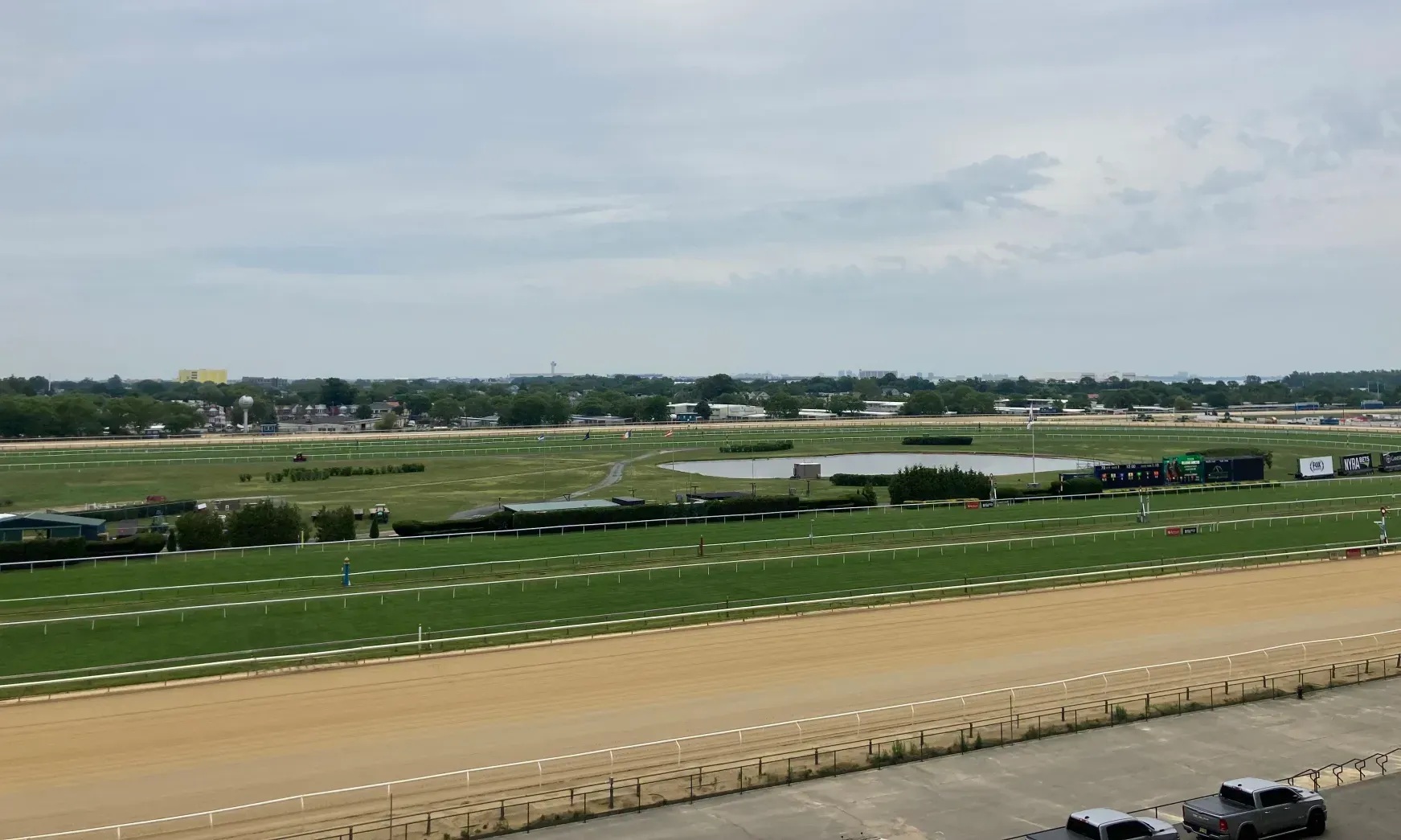
Explore the future of the Aqueduct Racetrack site and how redevelopment plans could bring new housing, community spaces, and opportunities to Queens.
By Mamdani Administration • March 25, 2026
NYC launches a new program under Mayor Mamdani to expand affordable housing, accelerate development, and improve access for working-class residents.
By Maya King | NYT • March 12, 2026
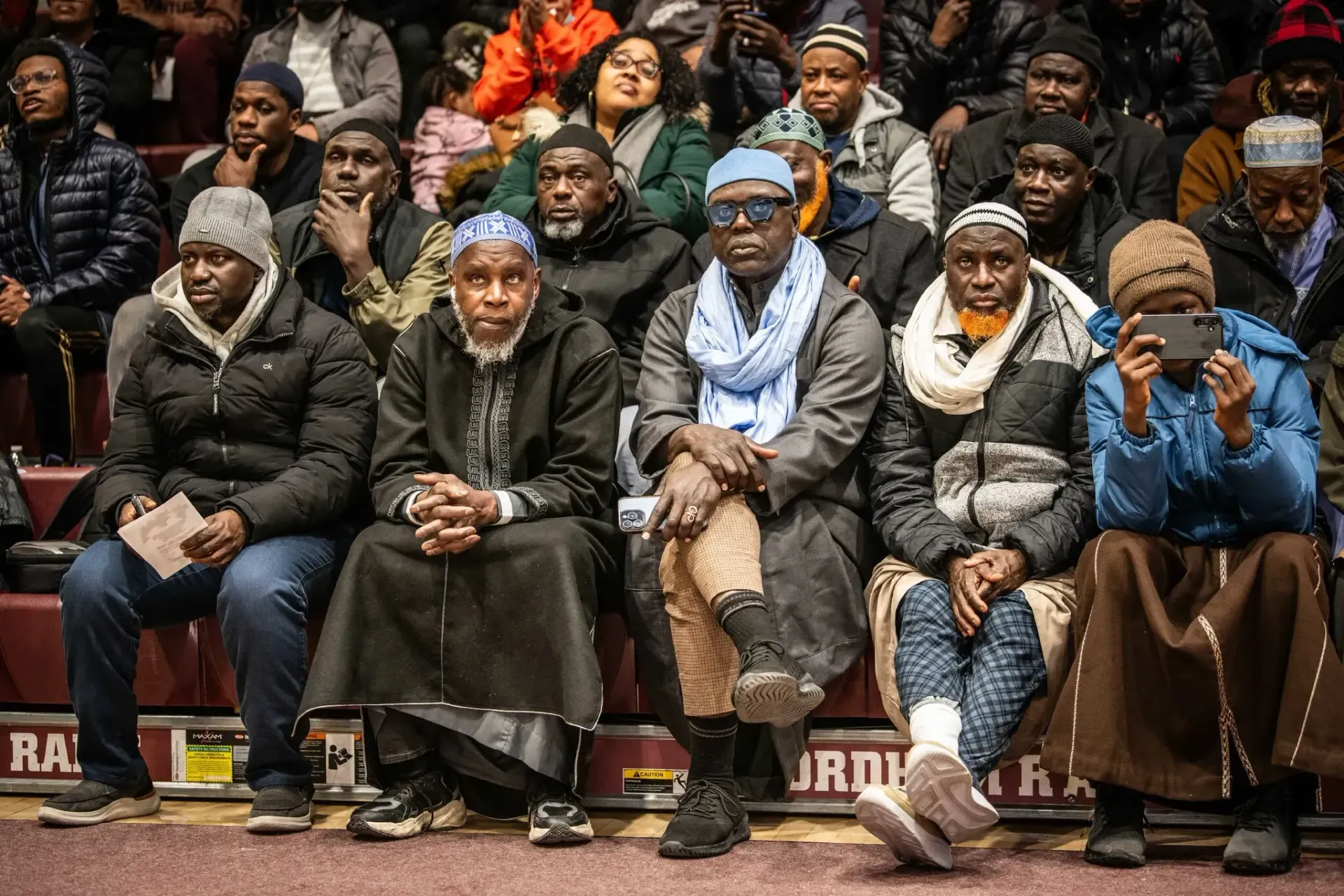
A New York Times report explores the growing political influence of Muslim communities in New York City and how organized grassroots efforts are shaping civic engagement, leadership, and representation.
By Torres and Dukuray | Co-chairs of The Bronx First, • February 25, 2026
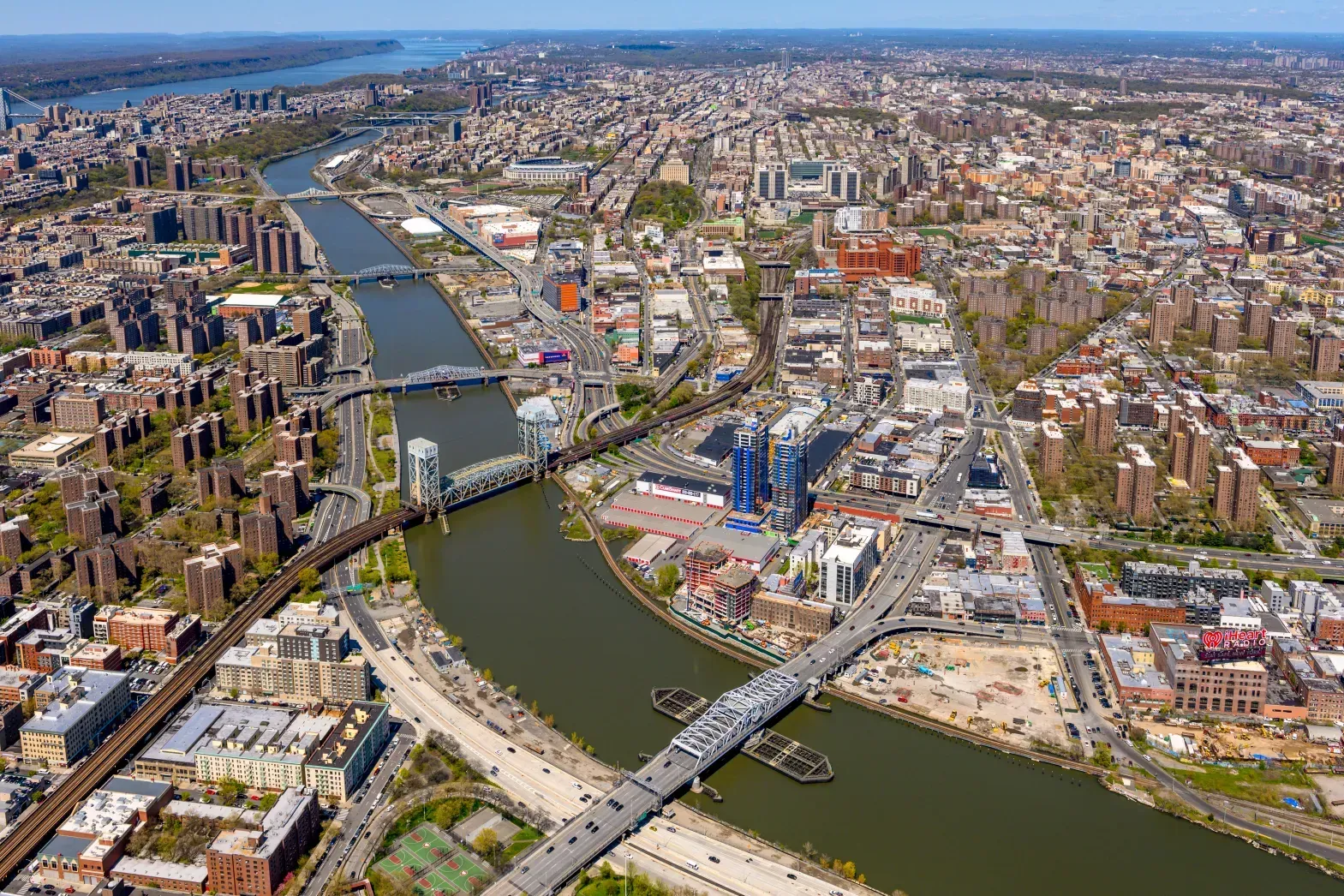
A new movement in the Bronx is bringing residents together to advocate for housing stability, economic opportunity, and stronger neighborhood leadership. As reported by New York Daily News, community members are organizing to shape policies that directly impact their borough.
By Michael Gecan • January 26, 2026
Drawing on decades of organizing, this essay argues that ICE thrives on provocation and outlines safer, smarter strategies for real public protection.
By Spectrum News 1 • October 16, 2025
In East New York, Brooklyn, signs of pride and progress are unmistakable. Rev. David Brawley of St. Paul Community Baptist Church believes the neighborhood has been able to turn around because “leaders, citizens, have imagination and are willing to do the work. Once known as the murder capital of New York City, the 75th police precinct had 126 murders in 1993. Last year, there were 12. For many residents, signs of economic development have brought new optimism. Now they hope the neighborhood’s comeback will continue under the next mayor. “As a pastor here in the East New York section of Brooklyn, every week it feels like I’ve got to say goodbye to members that I love because they can’t afford to live here,” Brawley told NY1. When he’s not in the pulpit, Brawley is focused on his other calling, building affordable housing in East New York. For 40 years, St. Paul has worked with East Brooklyn Congregations to transform parts of the community like Spring Creek. “This was a former landfill,” Brawley said. “Our leaders and our people saw more than garbage. We saw an opportunity to build affordable housing for the city of New York. There are 2,600 units here in this area.” Brawley hopes the next administration in City Hall comes in with a bold vision to build new homes that doesn’t leave longtime East New York residents priced out. “I would say to the next mayor that this is an urgent existential crisis that demands an urgent response,” he said. Along the New Lots Avenue corridor, residents Erica Townsend and Eleanor Pinckney shared their concerns about sanitation. “People are dumping,” Townsend said. “If you look down the street, you’ll see it’s bundles of garbage all along here, why?” Pinckney added. City Councilmember Chris Banks believes it’s important to continue “the upward trend in addressing quality-of-life issues.” Banks believes the next administration in City Hall should be attentive to the needs of NYCHA residents and public transportation in East New York.
By AMNY • June 2, 2025
NYC housing forum spotlighted affordability and homelessness, with leaders urging coordinated policy, funding, and community-driven solutions to the crisis.
By Will Spisak and Rev. Carl Adair. • July 16, 2024
Lots of people are talking about the state’s plan for 2,800 housing units at the Creedmoor site. Understandably, many life-long residents of the area fear that the project would change the character of the surrounding neighborhoods. Their parents or grandparents worked hard to buy homes in Glen Oaks Village or Hollis Hills: this new plan feels like a threat to their legacy.