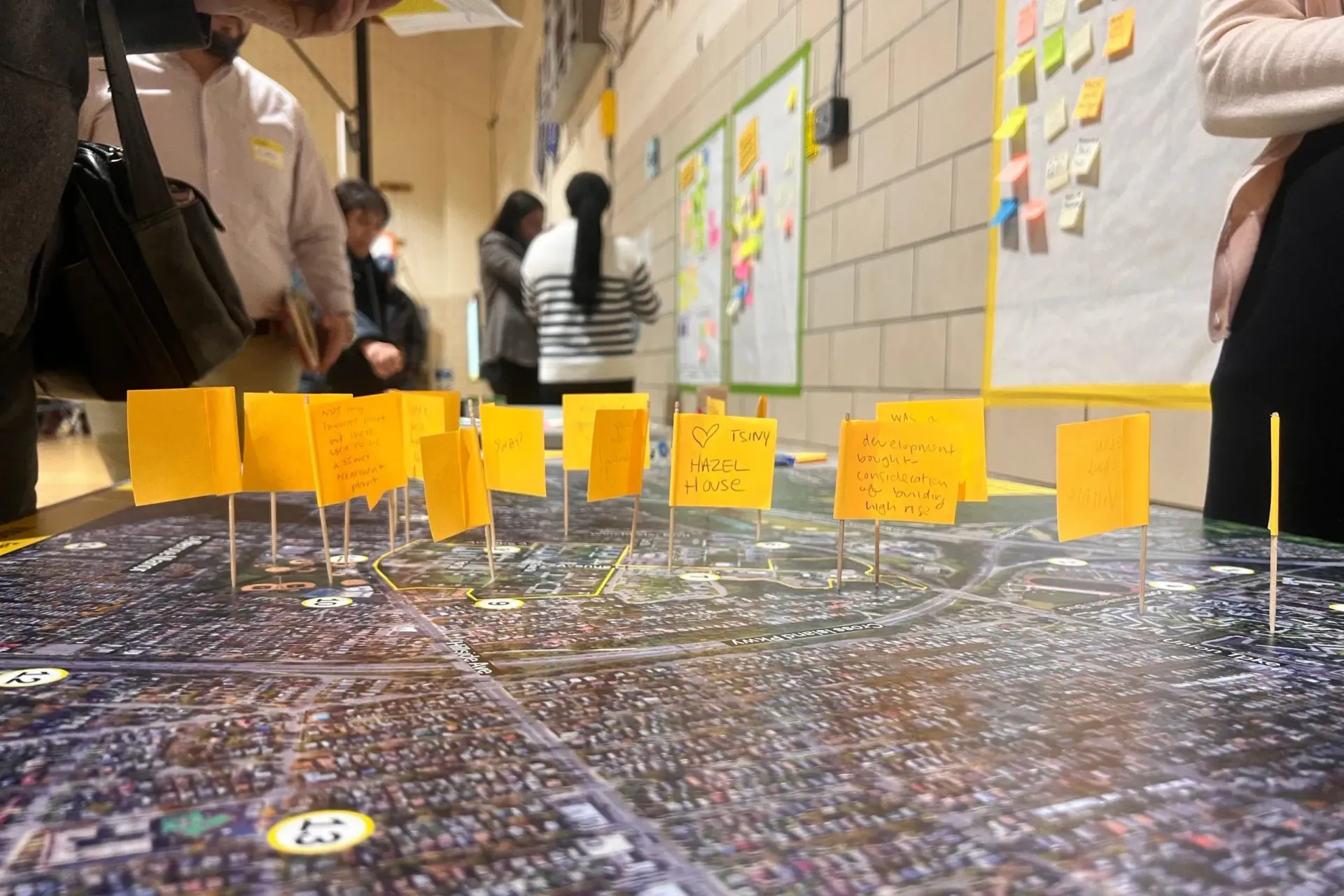
Aqueduct’s Big History and Big Future: Plans for Housing

New York Daily News Editorial Board • June 28, 2026

In 2009, we wrote: “The season ends today at Aqueduct, and with the finish of the ninth race should come the closure of the Queens horse track.” It’s taken 17 years, but the ninth race at Aqueduct yesterday had a post time of 5:44 p.m. and was won by Assume Nothing running the mile and an eighth in 1:51.21. It wasn’t just the final race of the day or the season; it was the last race ever, after 132 years.


Aqueduct has now closed. The horses will henceforth have their winter meets at Belmont and the huge plot of public land in South Ozone Park will have a new use and the top priority must be housing, housing, housing.


Once, decades ago, before the New York Lottery and before Off-Track Betting, Aqueduct could bring in more than 70,000 folks. That’s when the numbers racket and illegal policy games used the last three digits of the Aqueduct attendance as printed in the Daily News as the draw. Legend has it that when an unsuspecting new man on the paper’s composing desk left out the agate type one day there were lots of problems for bettors and bookies across the city.


Speaking of attendance, yesterday, there were fewer than 7,000 fans for the special farewell, with people waiting in line to get in before the doors opened at 11 a.m., which is vastly more than a typical day. On Friday, the doors opened with just a few stranglers on hand.


The property totals 210 acres and Gov. Hochul has said that 100 acres of state land is up for new uses. There are also 26 acres owned by New York City. Sitting right on the A-train, next to Kennedy Airport and highways, meeting the housing needs of New York has to be the goal.


In another part of Queens, the Creedmoor psychiatric campus will see 2,000 new housing units on about 50 acres. But Creedmoor is a transit desert. The Big A is blessed with a fast train into Brooklyn and Manhattan. There used to even be an Aqueduct special on the subway that ran on the IND from 42nd and Eight Ave. to Aqueduct, only stopping at Hoyt–Schermerhorn. The MTA ran a final commemorative Aqueduct special on Friday from Hoytand it took just 25 minutes.


Hochul is focusing on 100 acres, which is twice as large as Creedmoor, and the full Aqueduct tract is more than 200 acres. And with such excellent transit, there can be much greater housing density. Think 5,000 new housing units, think 10,000 new units. New York desperately needs housing and Aqueduct must be a major part of the answer.


The land at Aqueduct is ready to go, no need for demolition, no need to remove and remediate dangerous industrial waste like other sites have.


There’s a lot of racing history at the Big A, which began in 1894, before Queens was even part of New York City. The greats have run there from Man o’ War to Seabiscuit to the greatest of them all, Secretariat. Big Red actually lost the 1973 Wood Memorial at Aqueduct right before taking the Triple Crown. That November, when Secretariat retired, he was at Aqueduct for a final slow ride by Ron Turcotte.


It was at Aqueduct on June 10, 1944, four days after D-Day, during the Carter Handicap, when there was the first ever triple dead heat between Brownie, Bossuet, and Wait A Bit. And the Belmont Stakes was run at Aqueduct for five years in the 1960s, with possible Triple Crowns being spoiled in 1964 and 1966.


The summer meet at Saratoga starts on Friday and racing continues year round with a newly winterized grandstand at Belmont, but no longer at the Big A. The apron and paddock will now be quiet. The past is done and the future must be housing.
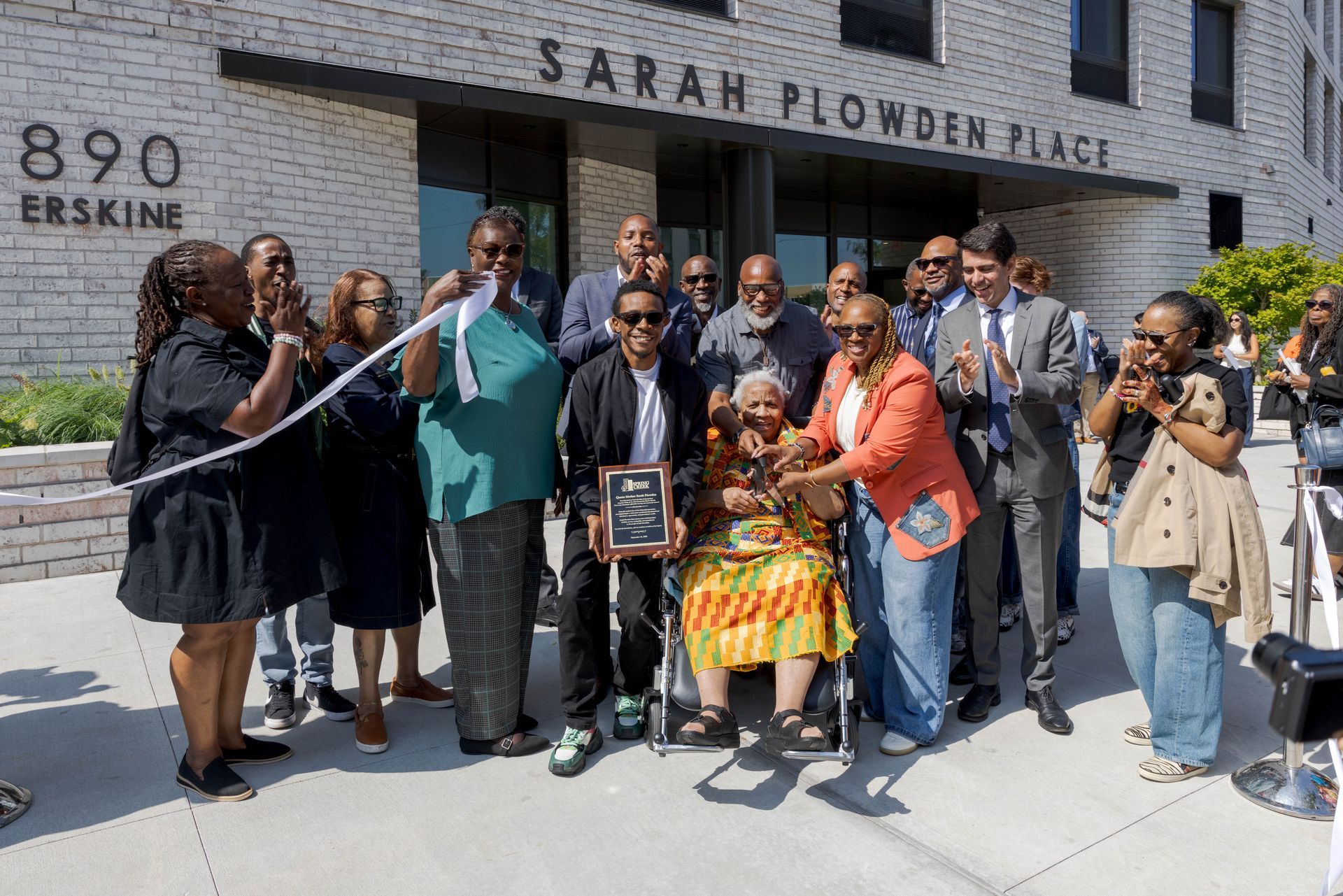
By The City Reporter June 30, 2026
A NYCHA paperwork backlog wrongly ended Section 8 subsidies, leaving hundreds of PACT residents facing eviction despite complying with program requirements.
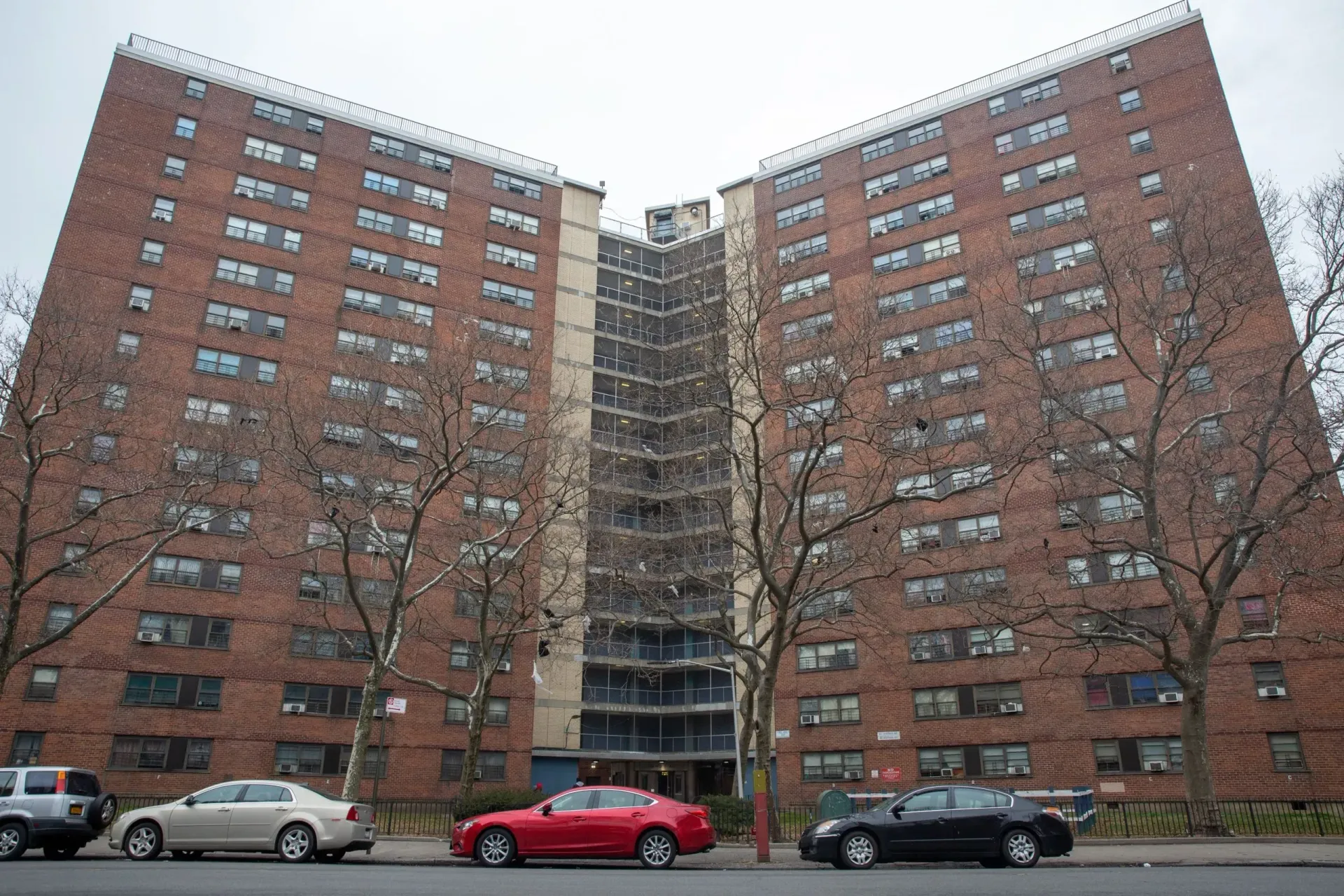
By Mamdani Administration March 25, 2026
NYC launches a new program under Mayor Mamdani to expand affordable housing, accelerate development, and improve access for working-class residents.
By Maya King | NYT March 12, 2026
A New York Times report explores the growing political influence of Muslim communities in New York City and how organized grassroots efforts are shaping civic engagement, leadership, and representation.
By Torres and Dukuray | Co-chairs of The Bronx First, February 25, 2026
A new movement in the Bronx is bringing residents together to advocate for housing stability, economic opportunity, and stronger neighborhood leadership. As reported by New York Daily News, community members are organizing to shape policies that directly impact their borough.
By Michael Gecan January 26, 2026
Drawing on decades of organizing, this essay argues that ICE thrives on provocation and outlines safer, smarter strategies for real public protection.
By Spectrum News 1 October 16, 2025
In East New York, Brooklyn, signs of pride and progress are unmistakable. Rev. David Brawley of St. Paul Community Baptist Church believes the neighborhood has been able to turn around because “leaders, citizens, have imagination and are willing to do the work. Once known as the murder capital of New York City, the 75th police precinct had 126 murders in 1993. Last year, there were 12. For many residents, signs of economic development have brought new optimism. Now they hope the neighborhood’s comeback will continue under the next mayor. “As a pastor here in the East New York section of Brooklyn, every week it feels like I’ve got to say goodbye to members that I love because they can’t afford to live here,” Brawley told NY1. When he’s not in the pulpit, Brawley is focused on his other calling, building affordable housing in East New York. For 40 years, St. Paul has worked with East Brooklyn Congregations to transform parts of the community like Spring Creek. “This was a former landfill,” Brawley said. “Our leaders and our people saw more than garbage. We saw an opportunity to build affordable housing for the city of New York. There are 2,600 units here in this area.” Brawley hopes the next administration in City Hall comes in with a bold vision to build new homes that doesn’t leave longtime East New York residents priced out. “I would say to the next mayor that this is an urgent existential crisis that demands an urgent response,” he said. Along the New Lots Avenue corridor, residents Erica Townsend and Eleanor Pinckney shared their concerns about sanitation. “People are dumping,” Townsend said. “If you look down the street, you’ll see it’s bundles of garbage all along here, why?” Pinckney added. City Councilmember Chris Banks believes it’s important to continue “the upward trend in addressing quality-of-life issues.” Banks believes the next administration in City Hall should be attentive to the needs of NYCHA residents and public transportation in East New York.
By AMNY June 2, 2025
NYC housing forum spotlighted affordability and homelessness, with leaders urging coordinated policy, funding, and community-driven solutions to the crisis.
By Will Spisak and Rev. Carl Adair. July 16, 2024
Lots of people are talking about the state’s plan for 2,800 housing units at the Creedmoor site. Understandably, many life-long residents of the area fear that the project would change the character of the surrounding neighborhoods. Their parents or grandparents worked hard to buy homes in Glen Oaks Village or Hollis Hills: this new plan feels like a threat to their legacy.
By The City December 8, 2023
New York State finally has a plan to turn the Creedmoor Psychiatric Center into thousands of units of housing. It will also have full power to approve the plan — angering neighbors who feel they’ll be sidestepped on a project that could transform the low-density neighborhood in eastern Queens with “tall monstrosities” up to eight stories high.
Creedmoor Psychiatric Center
By DAILY NEWS December 8, 2023
A better use for Creedmoor: Housing for New Yorkers in Eastern Queens